AGP Executive Report
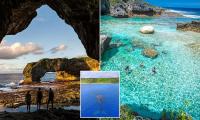
Last update: 9 hours agoDevelopment Finance: ADB’s 2026–2030 Pacific strategy includes Niue, with priorities spanning jobs and economic opportunities, essential services, and climate-resilient infrastructure. The bank says it will tailor project delivery to the needs of small, dispersed island economies. Tourism: A travel feature spotlights Niue’s whale encounters, caves and Dark Sky recognition as draws for visitors seeking a quieter Pacific destination, highlighting the island’s nature-based tourism appeal.
Note: AI summary from news headlines; neutral sources weighted more to help reduce bias in the result. Feedback is welcome. Please let us know if you have any comments or suggestions about the AGP Executive Report.
 Perspectify News